In March 2025, Simpler Recycling legislation was introduced with the aim of enhancing recycling efforts among business premises. All businesses with 10 or more full-time employees are required to comply with it.
Under the Simpler Recycling legislation rules, businesses need to separate four waste streams, on site, prior to collection by a waste contractor. These streams are:
Simpler Recycling was just the beginning of a series of changes to UK recycling legislation over the next few years. These include:
We’re here to help you understand your business’ legal obligations, as well as the business benefits of better recycling, and what to look for when choosing your waste management systems.
Discover what’s changing in UK recycling legislation below and read on to learn all about the current rules already in effect.

Waste tracking
Simpler Recycling
Deposit scheme
ETS Expansion
From 2026, waste management businesses will be required to log all movement and disposal of waste in an online platform. This more transparent approach aims to reduce waste crime like fly tipping.
2026
Digital tracking of all movement and disposal of waste
From March 2027, Simpler Recycling legislation will apply to all businesses regardless of size. Plastic film will also need to be separated from other waste streams.
2027
All businesses to separate recyclable waste and plastic film
In 2027 a Deposit Return Scheme will introduce a redeemable deposit on single-use drinks containers like cans and plastic bottles. Consumers will get the deposit back when they return the empty container.
2027
A redeemable deposit on recyclable single-use drink containers
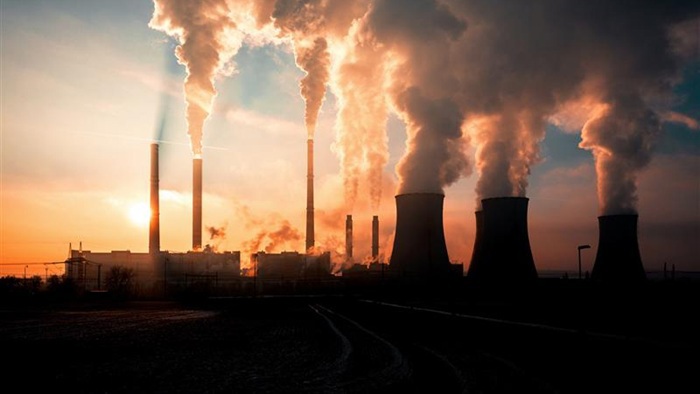
From 2028, the waste incineration and energy-from-waste industries will be part of the UK Carbon Emissions Trading Scheme (ETS). This caps the volume of carbon emissions that some industries can produce.
2028
Waste industries included in UK Carbon Emissions Trading Scheme
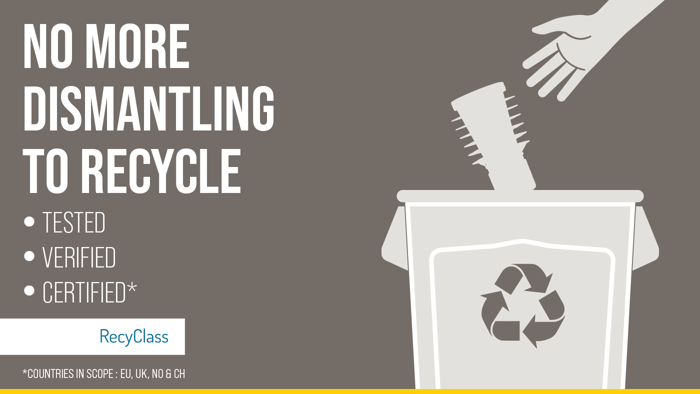
As of March 2025, Simpler Recycling legislation in England specifies that businesses must separate the following waste streams:

All businesses must manage food waste sustainably, regardless of quantity. Use of macerators and other food waste treatment equipment are banned.

Includes recyclable materials like glass, plastics and metals. From March 2027 you’ll also need to recycle plastic film.

Waste that does not fall into one of the recyclables categories can be presented for general waste disposal.
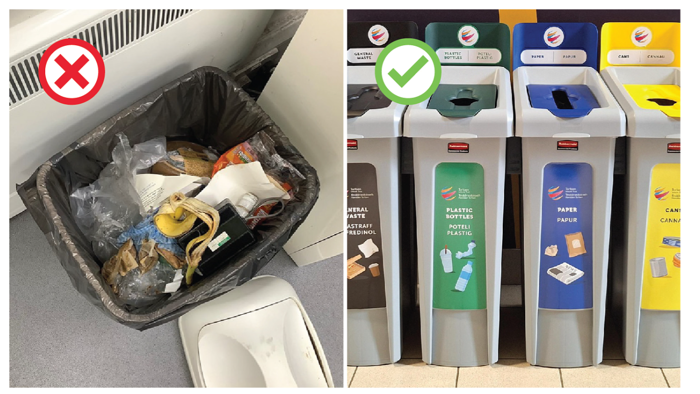
It's important that your internal waste streams align with those collected by your waste contractor. Some collectors separate glass from dry mixed recycling, while others have approval to combine paper and card with other recyclables due to technical or economic constraints.
With these new regulations now in effect, ensuring your business complies not only helps you meet legal obligations but also brings financial and environmental benefits. By reducing waste sent to landfill, you can lower waste management costs and enhance sustainability. Now with the 20% landfill tax rise, the savings from improved recycling will become even more significant.
Step 1: Choose recycling stations suited to each area of your facility
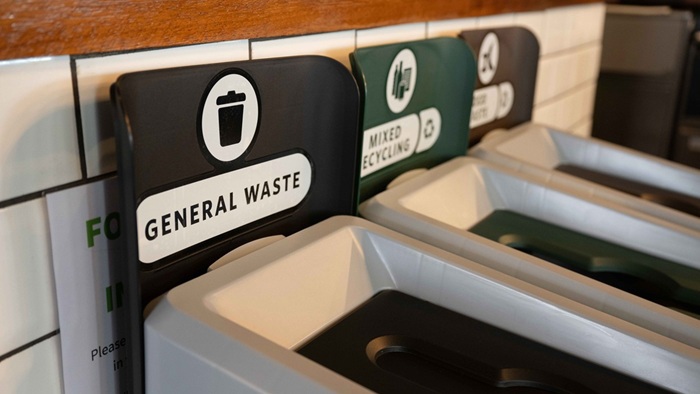
Each area of your facility has different requirements when it comes to waste - from large capacity containers to handle back-of-house volume to narrow-footprint bins that maximise multi-stream recycling without getting in the way of operations, and attractive recycling stations designed with front-of-house in mind. Browse our range of durable waste and recycling containers, designed to help you recycle more waste with ease-of-use in mind.
With four different waste streams to collect, your facility will require different bins in different areas. Our recycling systems are designed to be all-in-one solutions that allow you to capture multiple waste streams in one location, but with the variety of streams you are required to collect, you may need to bundle in different ways, or even utilise different bin styles. We have many options for you to choose from, and are on hand should you require advice or support.


Step 2: Build a culture of recycling with our free training and resources
Building a culture of recycling in your facility will help you recycle more and work towards your sustainability goals. Our free educational tools and resources are here to support businesses with understanding the importance of recycling, best practice and how they can contribute.
Our label customisation tool lets you personalise recycling labels with your branding and tailored visual instructions. Ensure clarity, consistency, and better recycling habits.

By taking these proactive steps, your business will comply with the new recycling mandates, improve sustainability, and significantly reduce waste management costs. This approach not only helps meet regulatory requirements but also enhances your bottom line by cutting down on disposal expenses.
Share on Social Media